
Gay slang explained: bears, otters, twinks, daddies and more
The words gay men use for body types and scenes, from bears and otters to twinks and daddies, with where they came from and how to use them kindly.
Gay men have a whole vocabulary for body types and scenes, much of it borrowed from the animal kingdom. A bear is a big, hairy guy, an otter is a slimmer hairy one, and a twink is young and smooth. Nobody hands out membership cards: the words are shorthand people choose for themselves, they overlap, and plenty of guys don’t fit or use any of them.
Gay tribes at a glance
| Term | Usually means | Good to know |
|---|---|---|
| Bear | A bigger man with body or facial hair and a masculine look | Some definitions add “older”; most don’t. |
| Cub | A younger or younger-looking bear, sometimes smaller | Part of the bear family. |
| Otter | A slim or small-framed man with body hair | Often counted in the bear family; the word dates from the 1980s. |
| Wolf | A lean, muscular, athletic man with body and facial hair | Also counted in the bear family. |
| Polar bear | An older bear with grey or white hair | Part of the bear family. |
| Panda | A bear of Asian or Pacific Islander descent | Part of the bear family. |
| Chub | A heavy-set man | A chaser is someone drawn to a type, as in “chubby chaser”. |
| Twink | A young adult man, slim and smooth, with a boyish look | Usually means about 18 to 25. Used fondly and as a put-down. |
| Twunk | A more muscular twink | Twink plus hunk. |
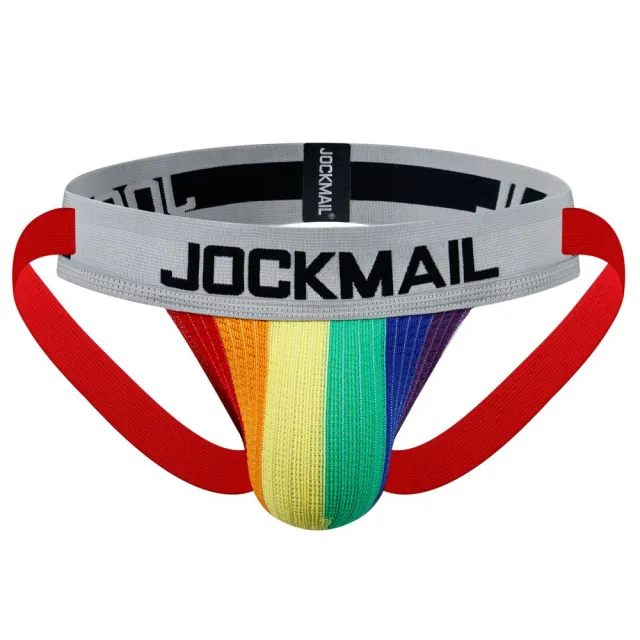
| Jock | An athletic, sporty man | The word is short for jockstrap. |
| Gym rat | A man who all but lives at the gym | “Gym bunny” in the UK. |
| Daddy | An older, often confident or protective man, usually with a younger partner | There’s no set age, and it isn’t the same as a sugar daddy. |
| Leatherman | A man in the leather scene | Boots, harnesses, caps and uniforms. |
| Pup | Someone into pup play | A playful, dog-like persona with hoods, collars and tails. |
Bears, cubs, otters and wolves
Bear culture took off in the 1980s, largely in San Francisco. It celebrates bigger, hairier, more traditionally masculine men, partly as a reaction to the young, smooth look that dominated gay media at the time. Inside the bear family, the labels mostly describe build and age: cubs are younger, otters slimmer, wolves leaner and more muscular, polar bears older and silver-haired, and pandas are bears of Asian or Pacific Islander descent. There’s even a word for a lesbian bear: an ursula.
The word goes back further than you might think. A 1966 Los Angeles document mentions a “bear club”, George Mazzei sorted gay men into animal types in The Advocate in 1979, and Bear Magazine, launched in 1987, made the term stick. The bear flag, designed by Craig Byrnes in 1995, came later. Our bear and leather flags guide tells its story.
Twinks, twunks and jocks
A twink is a young adult gay man, usually somewhere around 18 to 25, with a slim build and little body hair. The word was recorded in the early 1960s and is thought to come from Twinkie, the snack cake. Depending on who says it, it can be affectionate or a dig. A twunk is a twink with muscle. A jock is the sporty type, at home in a softball league or the weights room, and yes, the word comes from jockstrap: it was first recorded as a shortening in the early 1950s.


Daddies
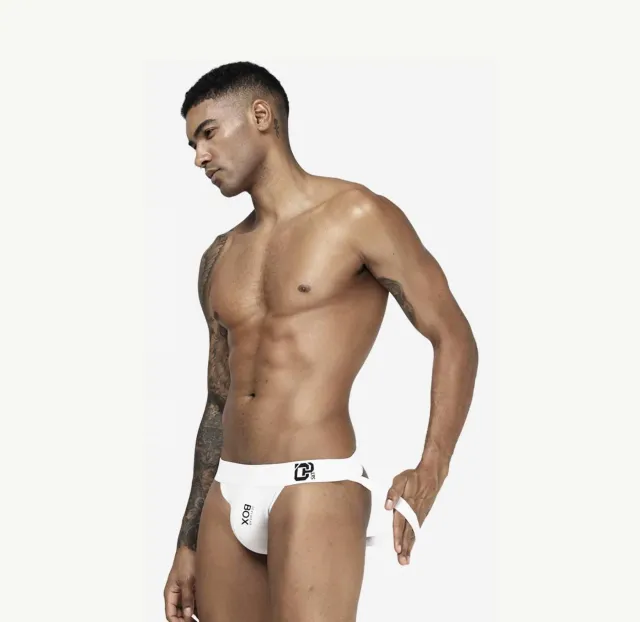
In gay slang a daddy is usually an older man, often masculine, confident or protective, with a younger partner, or simply a man whose style says he could be. It describes a dynamic as much as an age, so there’s no birthday that makes you one. It isn’t the same as a sugar daddy, who pays his partner’s way, though people do mix them up. The slang is old: Green’s Dictionary of Slang records it from 1928.
Leather, pups and other scenes
Leather is a scene built around leather gear (boots, harnesses, caps and uniforms), often linked with kink and motorcycle clubs, and a leatherman is someone in it. Tony DeBlase designed the leather pride flag in 1989, and San Francisco’s Folsom Street Fair, founded in 1984, is the scene’s biggest street party. Pups are into pup play, where adults take on a playful, dog-like persona with hoods, collars and tails. Researchers describe it as a kink and a way to relax into a different headspace, and found nothing linking it to an interest in animals.
Tip: New to the look? Our harness guide covers styles and fit.
Top, bottom, vers and side
These are about what you like in bed, not how you look. A top is the penetrating partner in anal sex, a bottom is the receiving partner, and vers (versatile) means you enjoy both; vers top and vers bottom mean you lean one way. Sides are men who don’t have anal sex at all but enjoy everything else. Research suggests these preferences settle over years and can’t be read from someone’s body, so ask rather than assume.
Are the labels offensive?
Usually not, when people choose them for themselves. Plenty of men proudly call themselves bears or pups, and whole weekends and clubs are built around those scenes. Plenty of others find the animal labels reductive, or simply don’t fit a box. A good rule: use a label for yourself freely, and for someone else only once they’ve used it.
Sources
- Wikipedia: Bear (gay culture)
- The Advocate: when The Advocate invented bears (2014)
- Cambridge Dictionary: bear
- Cambridge Dictionary: gym rat
- Dictionary.com: twink
- Dictionary.com: jock
- Dictionary.com: naked otter, on where “otter” came from
- Wikipedia: Twink (gay slang)
- Wikipedia: Daddy (slang)
- Green’s Dictionary of Slang: daddy
- Maki (2017): Gay subculture identification, American Counseling Association
- Moskowitz and others (2013), Archives of Sexual Behavior
- Wignall and McCormack (2017): pup play, Archives of Sexual Behavior
- Moskowitz and Roloff (2017): top, bottom and versatile labels
- Wikipedia: Leather pride flag
- San Francisco Board of Supervisors: Folsom Street Fair resolution (2018)
Jockstraps
Good questions
What is the difference between a bear, an otter and a wolf?
All three are hairy. Bears are bigger, otters are slim or small-framed, and wolves are lean and muscular. All three are often counted as part of the bear family.
What does twink mean?
A young adult gay man, usually about 18 to 25, with a slim build, little body hair and a boyish look.
What age is a gay daddy?
There’s no set age. Daddy describes an older partner, or a confident, protective style, more than a number.
What does vers mean?
Versatile: someone who enjoys being both the top and the bottom. Vers top and vers bottom mean you lean one way.
Is there a female version of a bear?
Yes. A lesbian bear is sometimes called an ursula.