
Bondage for beginners: cuffs, restraints and how to stay safe
Being tied down (or doing the tying) is hot. Here’s how to start, what to buy first, and the few rules that keep it that way.
Bondage is simply restraining someone, or being restrained, for pleasure: wrists cuffed to the bed, ankles held apart by a bar, hands tied behind your back. For a lot of guys the thrill is the trust, the helplessness and the focus it brings. You don’t need rope skills or a dungeon to start. A set of cuffs and a good conversation will do.
Talk first
Before anything goes on, agree what you both want, what’s off limits and how long you’ll play. The BDSM community calls this negotiation, and researchers have pointed to its explicit, ongoing approach to consent as a model worth copying.
- Agree what’s in and what’s out, including touching, toys and anything that’s a hard no.
- Decide who ties and who’s tied, and for roughly how long.
- Mention injuries, joint or wrist problems, and anything that makes either of you anxious.
- Stay sober enough to judge it: alcohol and drugs make injuries more likely and signals easier to miss.
Safe words and the traffic-light system
“No” and “stop” can be part of the game, so pick a word that can’t be confused with play. The most common system is traffic lights: red means stop everything now, yellow means slow down or don’t go further, and green means keep going. If a gag or anything else stops someone speaking, agree a signal instead, like dropping a set of keys or tapping out three times.
What to start with
- Padded wrist and ankle cuffs: comfortable, quick to clip on and off, and much safer for beginners than rope or metal handcuffs.
- Under-bed restraint straps: run under the mattress with a cuff at each corner, so any bed works.
- A spreader bar: clips between cuffs to hold wrists or ankles apart.
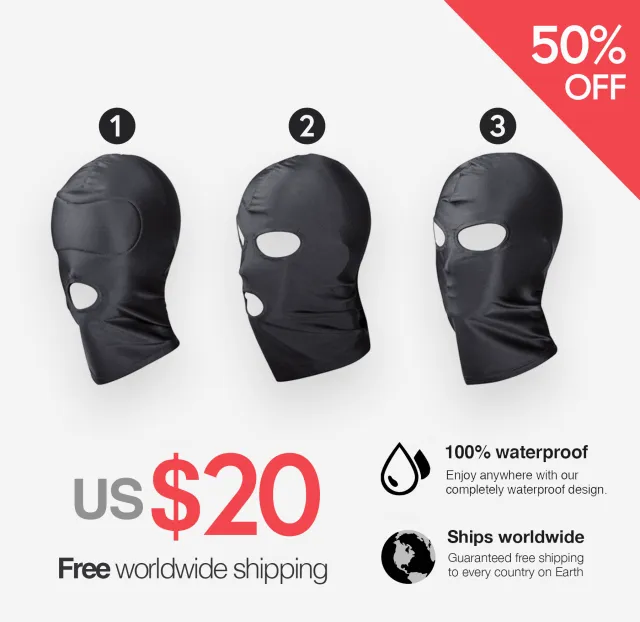
- A blindfold: the simplest way to make everything feel more intense.
Tip: Skip toy metal handcuffs with ratchets: they can tighten by accident and are hard to undo in a hurry.
The rules that keep it safe
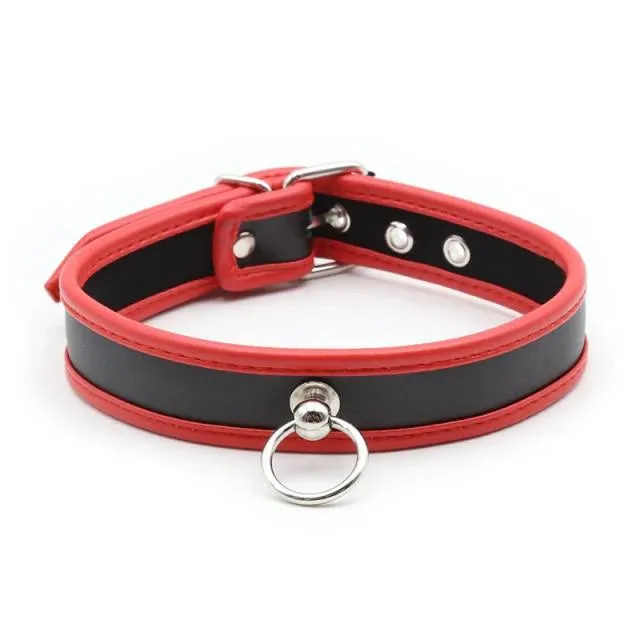
- Never put anything around the neck.
- Two-finger rule: you should be able to slide a finger or two under any cuff or strap.
- Check hands and feet every few minutes for tingling, numbness, coldness or a white or blue colour. If you see any of them, loosen or release straight away.
- Never leave someone who’s restrained alone, even for a minute.
- Keep safety scissors (EMT shears) within reach, so you can cut someone free fast if you need to.
- Release and change position regularly. Arms over the head get uncomfortable faster than you think.
Why wrists need care
The wrist has nerves close to the surface, especially the superficial branch of the radial nerve on the thumb side. Doctors call injuries from tight cuffs “handcuff neuropathy”. A 2022 review of 16 studies found that nerve was injured in 82% of the hands examined after restraint, and an earlier report described numbness lasting up to three years. That’s why padded cuffs, the two-finger rule and frequent checks matter. If numbness or tingling hasn’t gone a few hours later, see a doctor.
Afterwards
Untie gently, rub out any marks, have some water and check in with each other about what you liked and what you didn’t. Some guys feel a dip in mood later, so a message the next day is a nice touch.
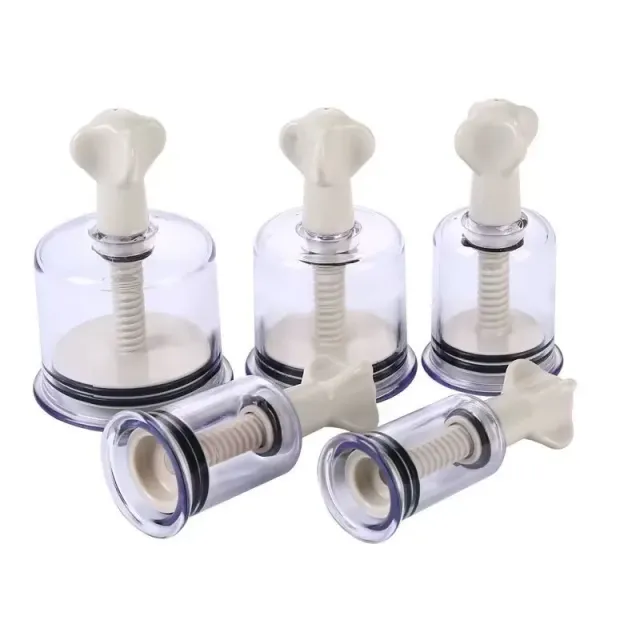
Tip: Pair restraints with nipple play or a harness for the full look.


Sources
- Burnett Foundation Aotearoa: bondage tutorial (single wrist restraint)
- Systematic review of hand and wrist injuries from physical restraint (2022)
- Stone & Laureno: handcuff neuropathies, Neurology (1991)
- BMJ Sexual & Reproductive Health blog: safe words and the traffic-light system
- The role of consent in the context of BDSM (PubMed)
Fetish & BDSM

Good questions
What’s a good safe word?
Something you’d never say during sex. Many people use the traffic-light system: red to stop, yellow to slow down, green to carry on.
How tight should cuffs be?
Snug but loose enough to slide a finger or two underneath. Check hands and feet every few minutes for tingling, numbness, coldness or colour change.
Are handcuffs safe for bondage?
Ratcheting metal handcuffs can tighten by accident and injure the wrist nerves. Padded cuffs are a safer start.
What should I buy first for bondage?
Padded cuffs or under-bed restraint straps, a blindfold and a pair of safety scissors.
How long can someone stay tied up?
Keep early sessions short, change position often and never leave a restrained person alone.